 Getting Started
How to Set Up a Backyard Compost Bin
Bin selection, placement, and first-load setup for Canadian yards — including what works through cold winters and wet Pacific coast seasons.
Read articleA straightforward reference on backyard composting, organic materials management, and reducing what ends up in the landfill — written for Canadian suburban households.

Three in-depth guides covering the full composting cycle — from choosing a bin to balancing materials and measuring your impact on household waste.
Getting Started
Bin selection, placement, and first-load setup for Canadian yards — including what works through cold winters and wet Pacific coast seasons.
Read article Materials Guide
A practical breakdown of the carbon-to-nitrogen ratio, what counts as green or brown, and how to avoid the most common pile problems.
Read article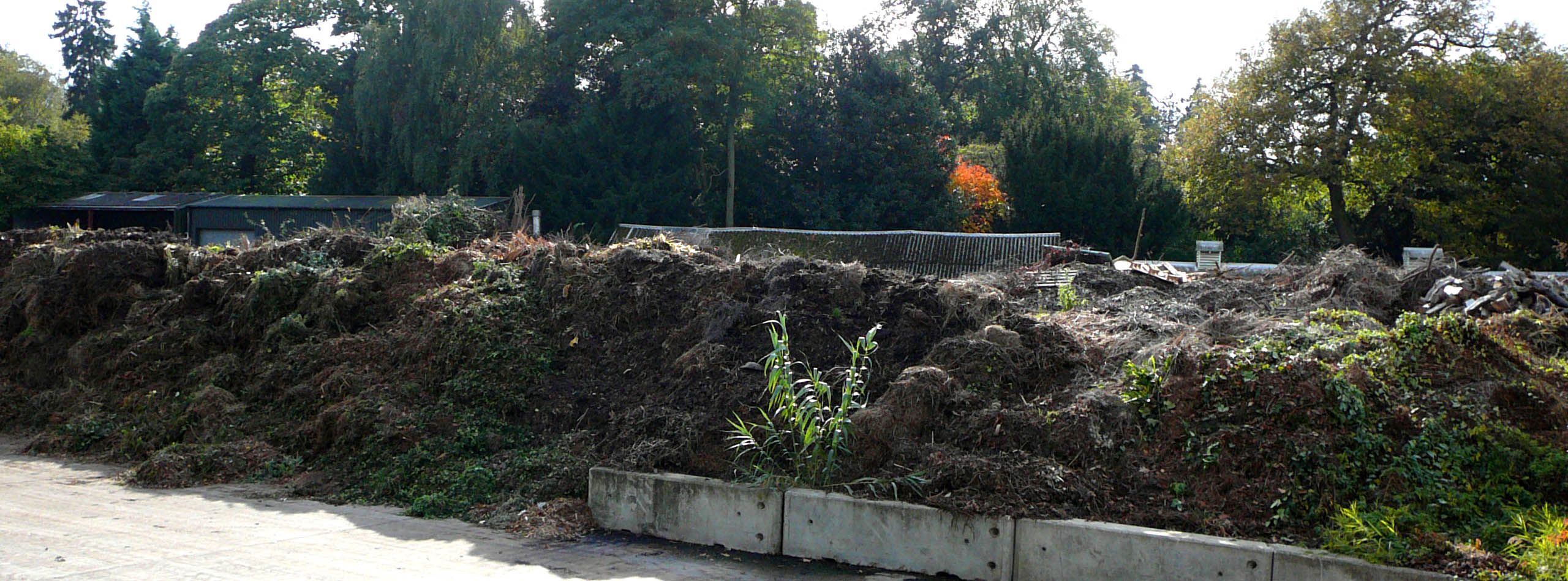 Waste Reduction
How composting fits into a broader household waste strategy — covering organics diversion, municipal programs, and tracking what you actually divert.
Read articleOrganic material — food scraps, yard trimmings, paper products — makes up a significant share of residential solid waste sent to Canadian landfills. When this material breaks down in anaerobic conditions underground, it generates methane, a potent greenhouse gas.
Backyard composting diverts that organic fraction. The resulting compost improves soil structure, reduces the need for synthetic fertilizers, and returns nutrients to local gardens. Several Canadian municipalities, including those in the Greater Toronto Area, Metro Vancouver, and Halifax, offer curbside organics collection — but backyard composting handles the diversion directly, without transport and processing costs.
Environment and Climate Change Canada tracks waste diversion as part of the national waste management framework. Composting remains one of the more accessible household contributions to that effort.

Use this form for questions about composting practices, site content, or corrections. No commercial inquiries.